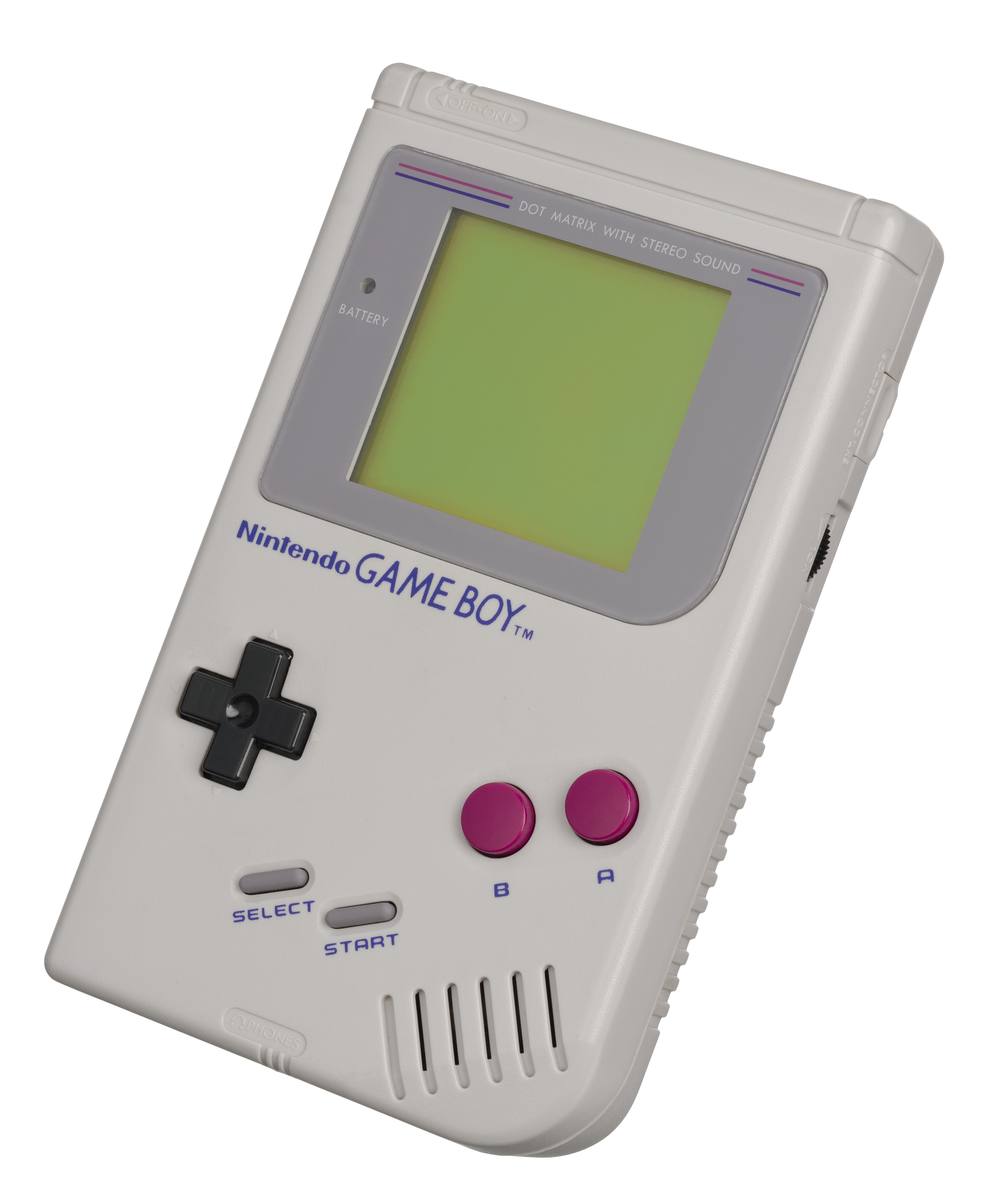
Game Boy
Nintendo
Proved portable gaming wasn't a compromise. Tetris bundled in the box did the rest.
📖 The Story
In 1989, while the world looked skeptically at the idea of a serious portable video game, Gunpei Yokoi made a counterintuitive bet. Instead of chasing cutting-edge technology, he deliberately chose inferior hardware: a monochrome green screen without backlighting, a Sharp LR35902 processor at just 4.19 MHz (less powerful than the NES), and a boxy, bulky design that barely fit in a pocket.
The philosophy was called "Lateral Thinking with Withered Technology" — using mature, inexpensive technology creatively always beats the latest technical breakthrough. The unlit screen meant 30 hours of battery life with four AA batteries. Competitors — Atari Lynx with its color screen, Sega Game Gear with backlighting — lasted 3-4 hours. In a world where children had no power outlets during car trips, the Game Boy's 30 hours were unbeatable.
But the decisive move was different. Yokoi convinced Nintendo to include Tetris as the pack-in game instead of Super Mario Land. Tetris was universal: grandmothers, businessmen, children — everyone understood it in 10 seconds. The Game Boy wasn't a toy: it was the first portable digital entertainment device for everyone. Henk Rogers, who negotiated the Tetris license through a wild trip to Moscow during the Cold War, made the perfect marriage between game and hardware possible.
When the Game Boy seemed finished — technically surpassed by every competitor — Pokémon arrived in 1996. Red and Green (later Blue) sold 31 million copies in Japan alone and relaunched hardware sales like nobody predicted. The Game Boy, with its Pocket, Light and Color variants, sold a total of 118.69 million units. Gunpei Yokoi tragically died in a car accident in 1997, but his philosophy — simplicity, battery life, creativity — is the DNA of every portable Nintendo console through Switch.
⚙️ Technical Specs
⚡Processing & Memory
🖥️Graphics
🔊Audio
💿Media & Controller
📐Dimensions
📊Commercial Data
📸 Photo Gallery
🎮 The games that made history
The Game Boy proved technical power doesn't matter if you have the right games. From Tetris to Pokémon, through Zelda and Mario, here are the 20 titles that made the green screen gaming's most beloved window.
20 games
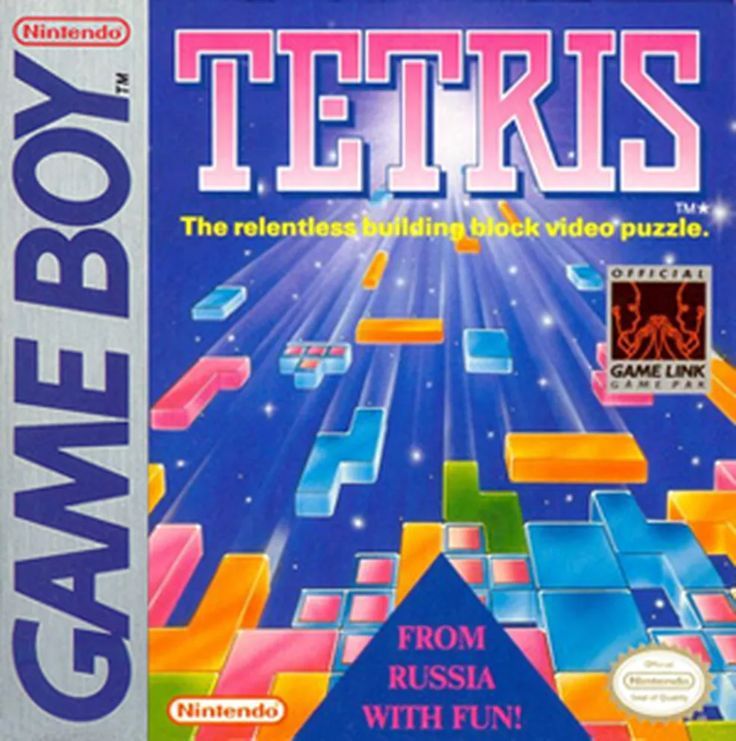 🎮
🎮Tetris
Nintendo R&D1
The perfect game on the perfect machine. The marriage that sold Game Boy to the world.
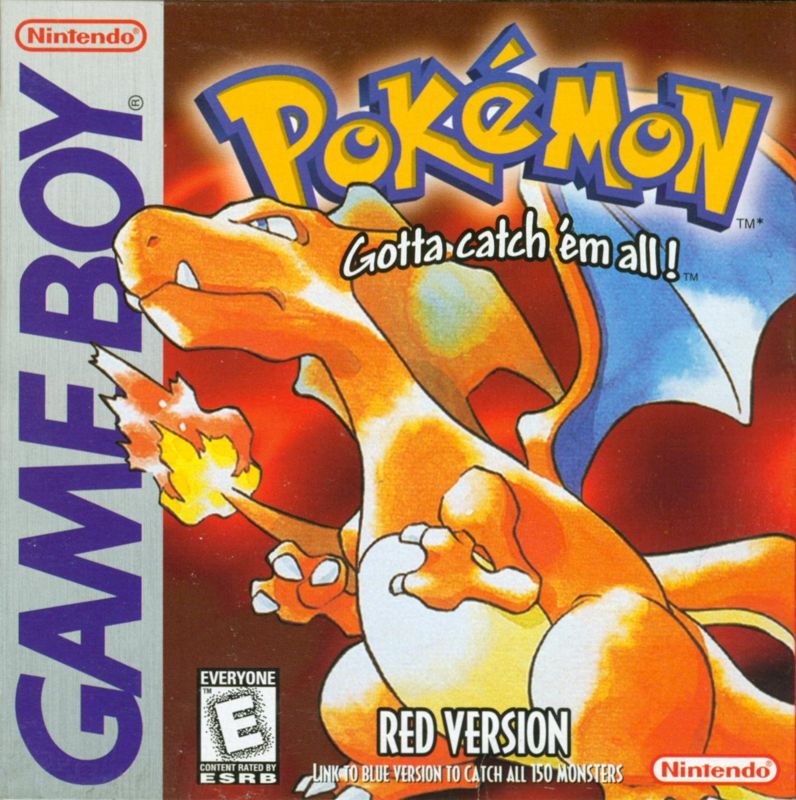 🎮
🎮Pokémon Red / Blue
Game Freak
151 creatures to catch, trade and evolve. The phenomenon that resurrected the Game Boy.
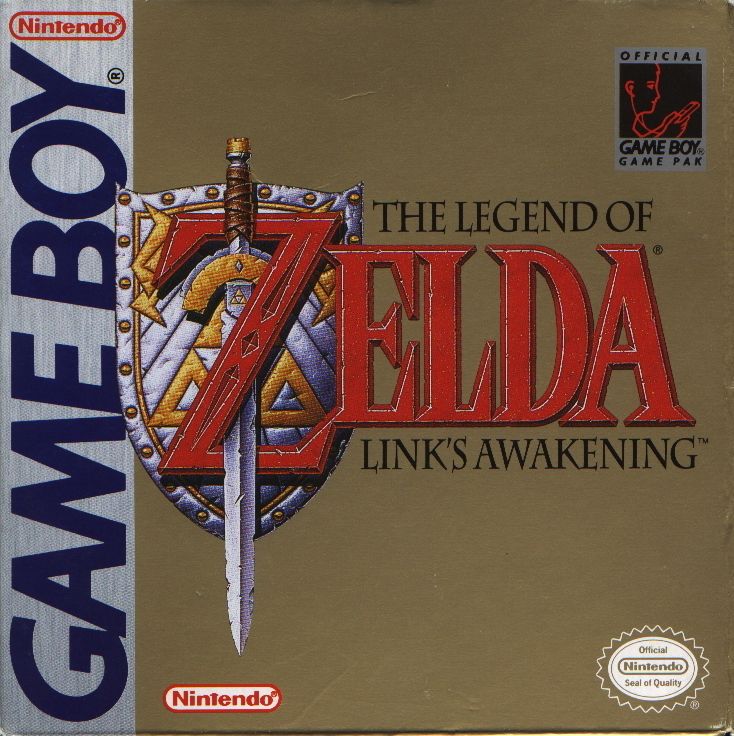 🎮
🎮The Legend of Zelda: Link's Awakening
Nintendo EAD
Link shipwrecked on Koholint Island. An intimate, melancholic and perfect Zelda.
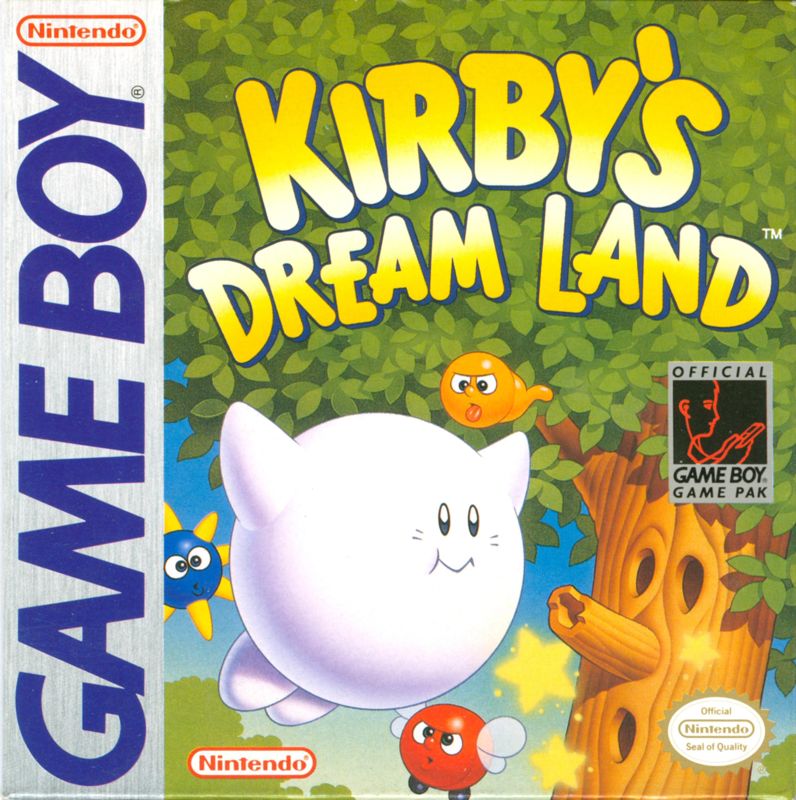 🎮
🎮Kirby's Dream Land
HAL Laboratory
The first Kirby: simple, short and adorable. Masahiro Sakurai was 19 years old.
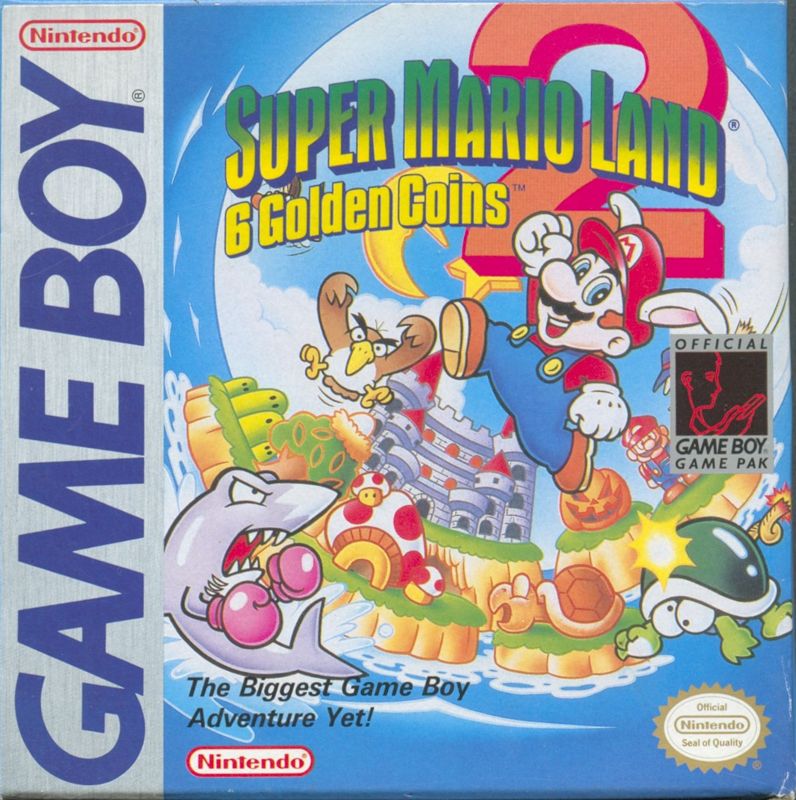 🎮
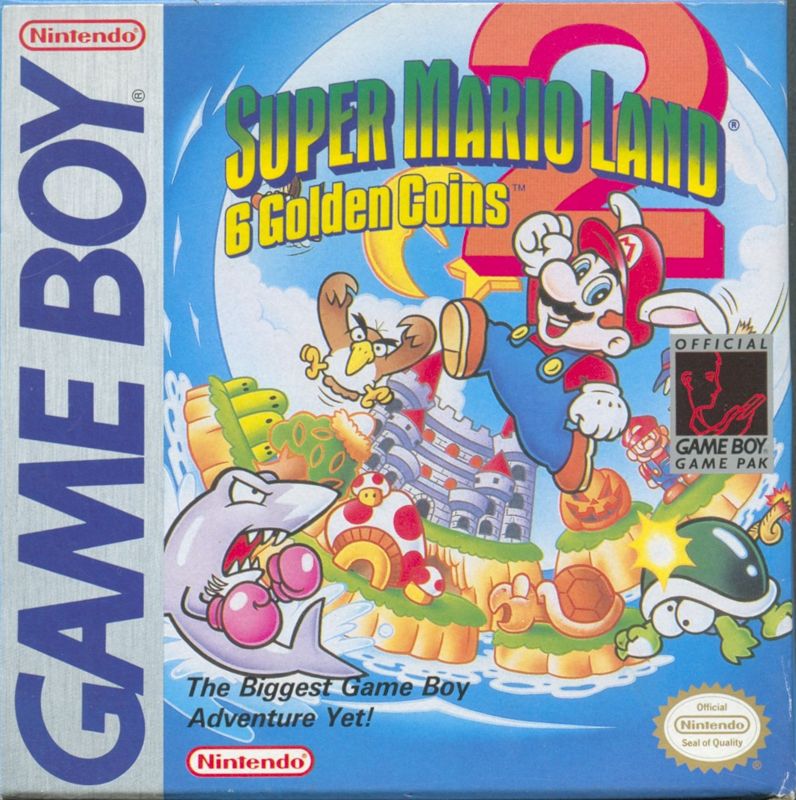
🎮Super Mario Land 2: 6 Golden Coins
Nintendo R&D1
Giant Mario on Game Boy, with 6 worlds and Wario's debut.
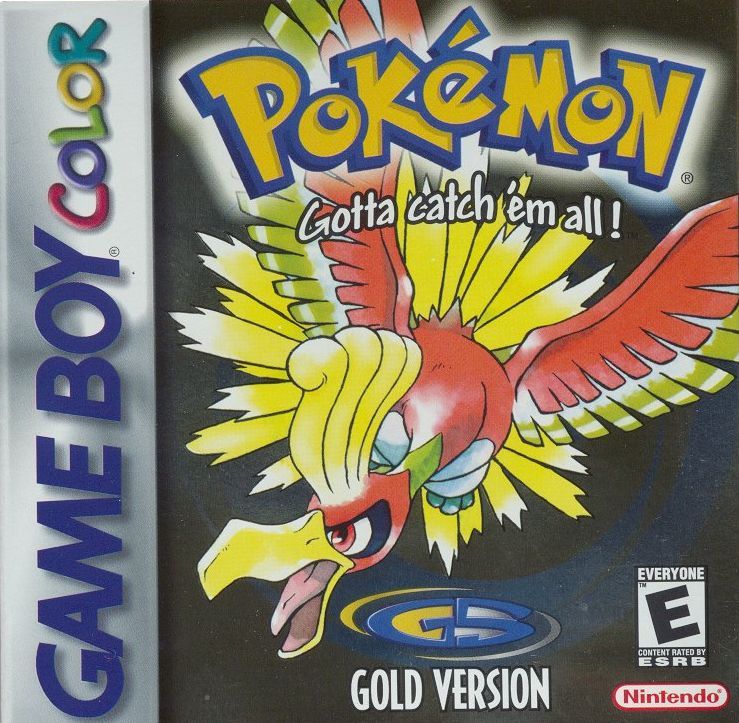 🎮
🎮Pokémon Gold / Silver
Game Freak
Two regions, day/night cycle, and Kanto to re-explore. Two games in one.
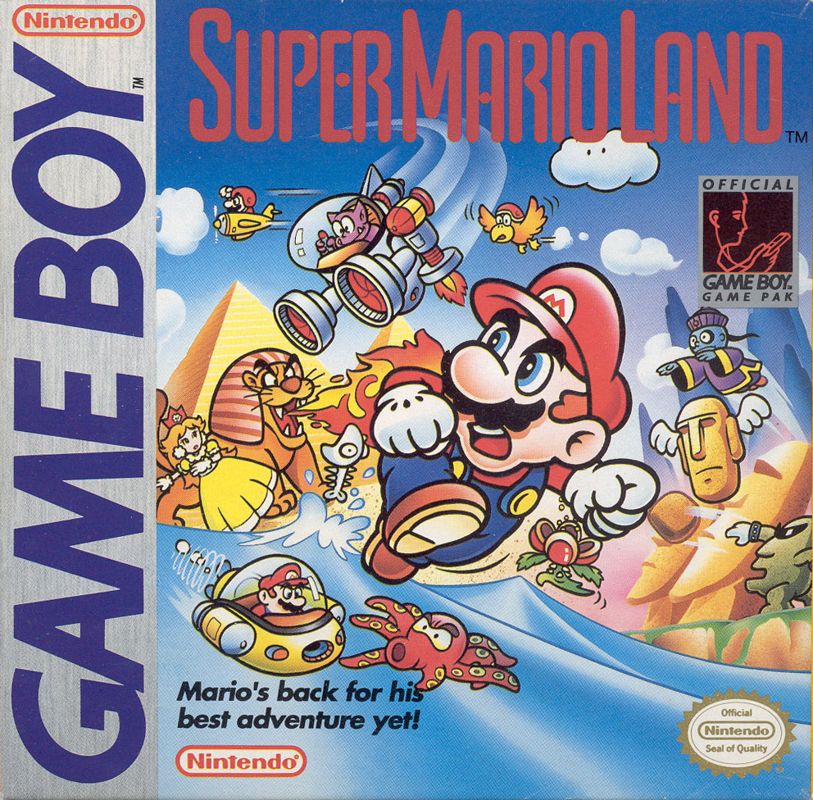 🎮
🎮Super Mario Land
Nintendo R&D1
Gunpei Yokoi's pocket Mario. Stranger, smaller, unforgettable.
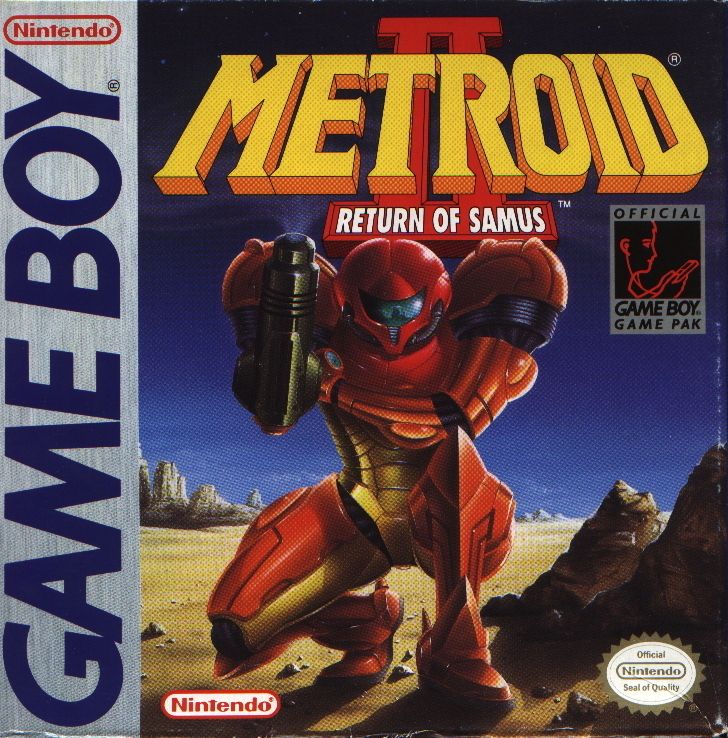 🎮
🎮Metroid II: Return of Samus
Nintendo R&D1
Samus exterminates Metroids on SR388. Dark and claustrophobic, with a saga-changing finale.
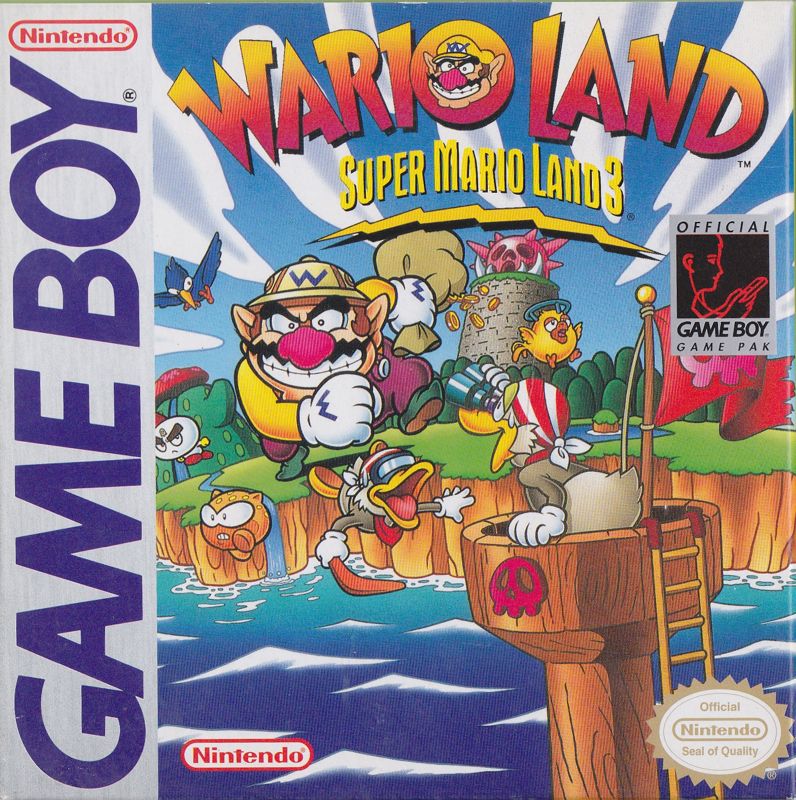 🎮
🎮Wario Land: Super Mario Land 3
Nintendo R&D1
Wario as protagonist: greed as gameplay. Multiple endings based on wealth.
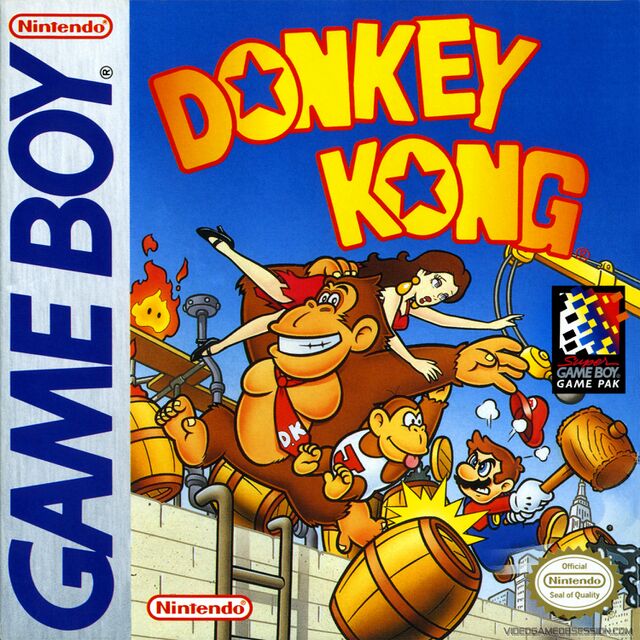 🎮
🎮Donkey Kong
Nintendo R&D1
Starts like the 1981 arcade, then explodes into 97 genius puzzle-platform levels.
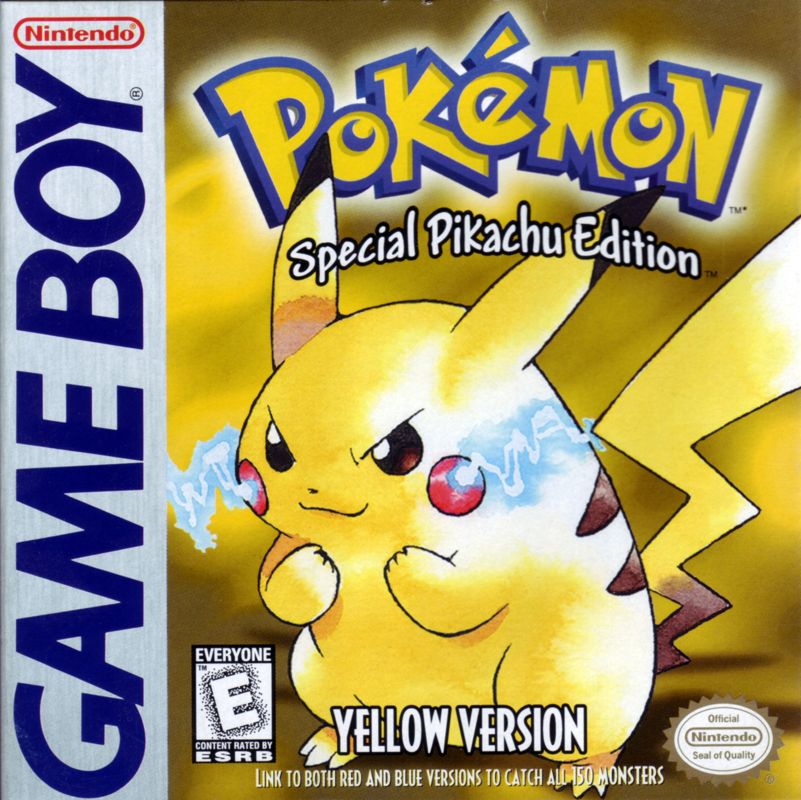 🎮
🎮Pokémon Yellow
Game Freak
Pikachu follows you! The anime-inspired version with all three starters.
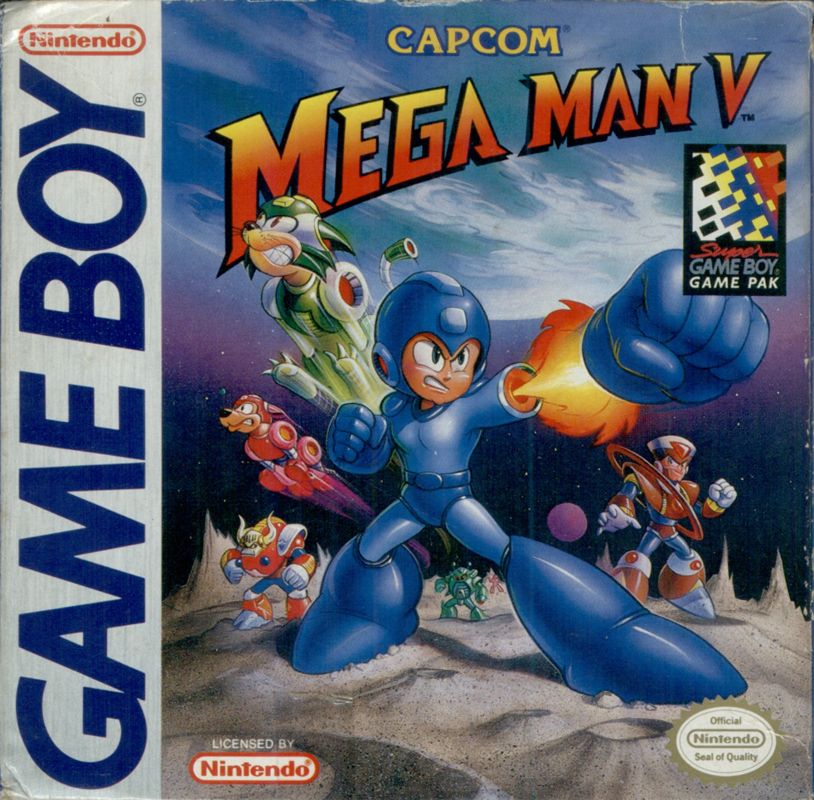 🎮
🎮Mega Man V
Capcom
The only Game Boy Mega Man with completely original bosses: the Stardroids.
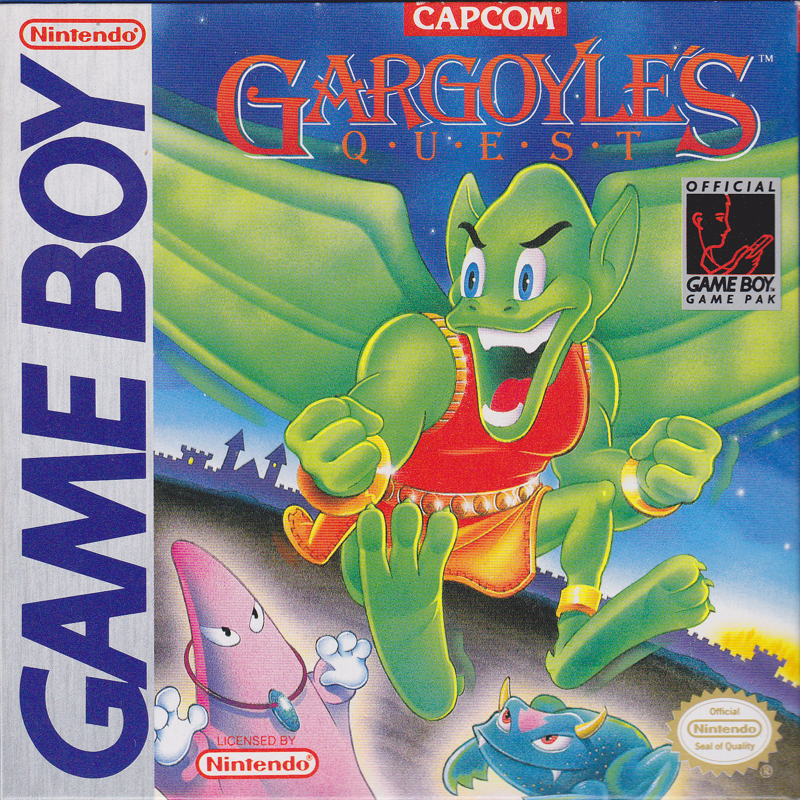 🎮
🎮Gargoyle's Quest
Capcom
Ghosts 'n Goblins' Firebrand becomes hero in an RPG-platform mix.
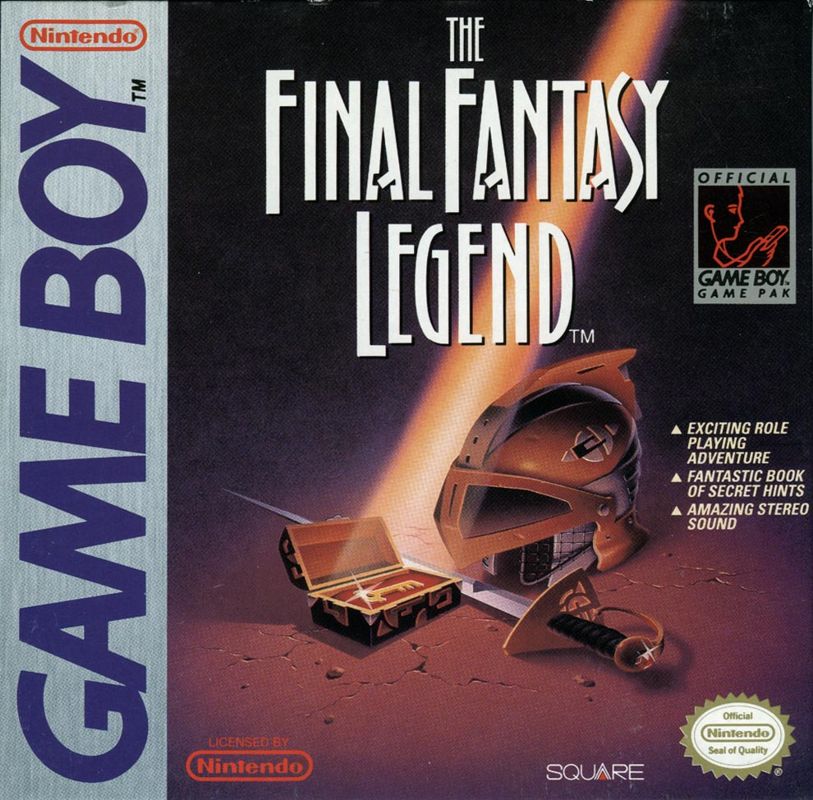 🎮
🎮Final Fantasy Legend (SaGa)
Square
The first portable RPG. Actually SaGa, renamed for the Western market.
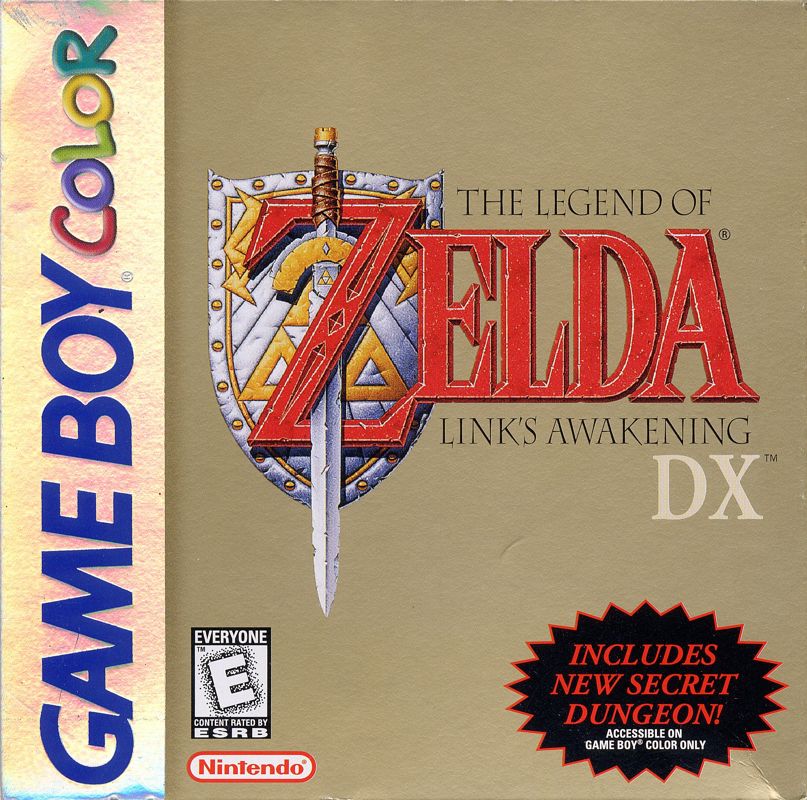 🎮
🎮Zelda: Link's Awakening DX
Nintendo EAD
The definitive color version with an extra dungeon.
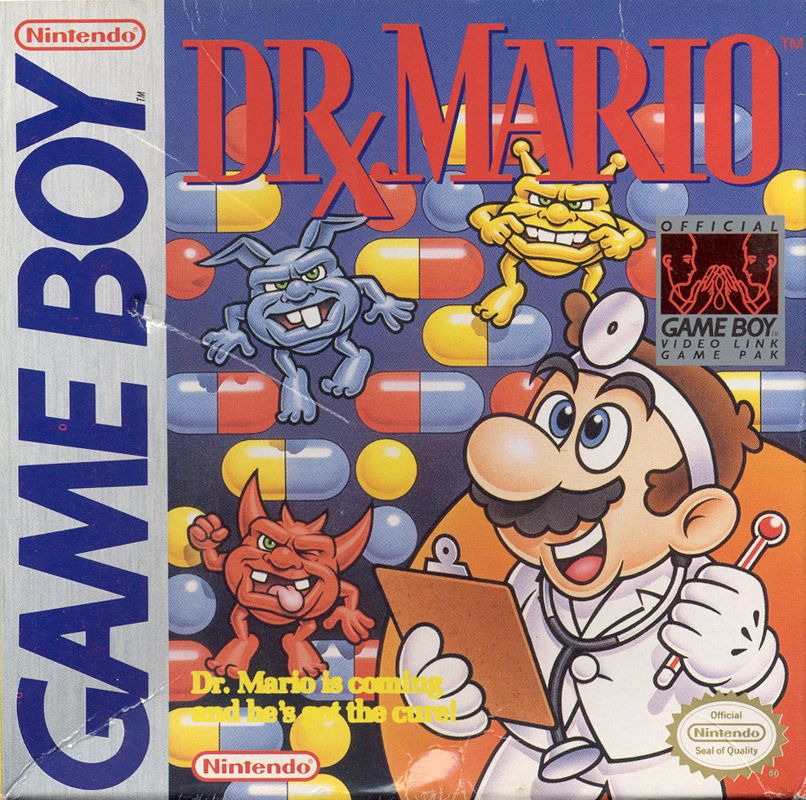 🎮
🎮Dr. Mario
Nintendo R&D1
Doctor Mario throws pills at viruses. Tetris's direct rival on Game Boy.
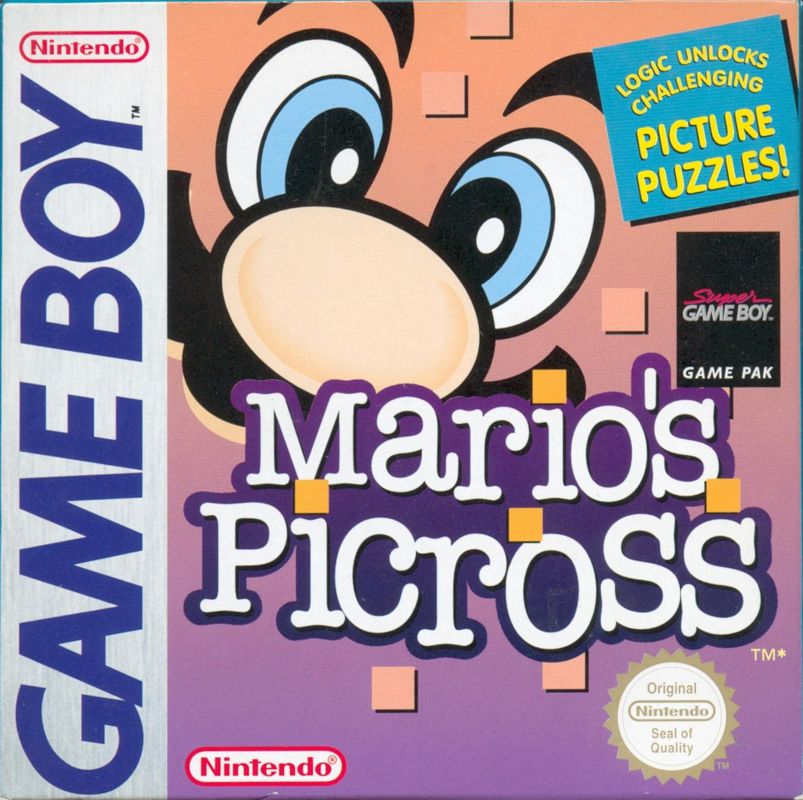 🎮
🎮Mario's Picross
Jupiter
Nonograms with Mario. A mathematical puzzle creating immediate addiction.
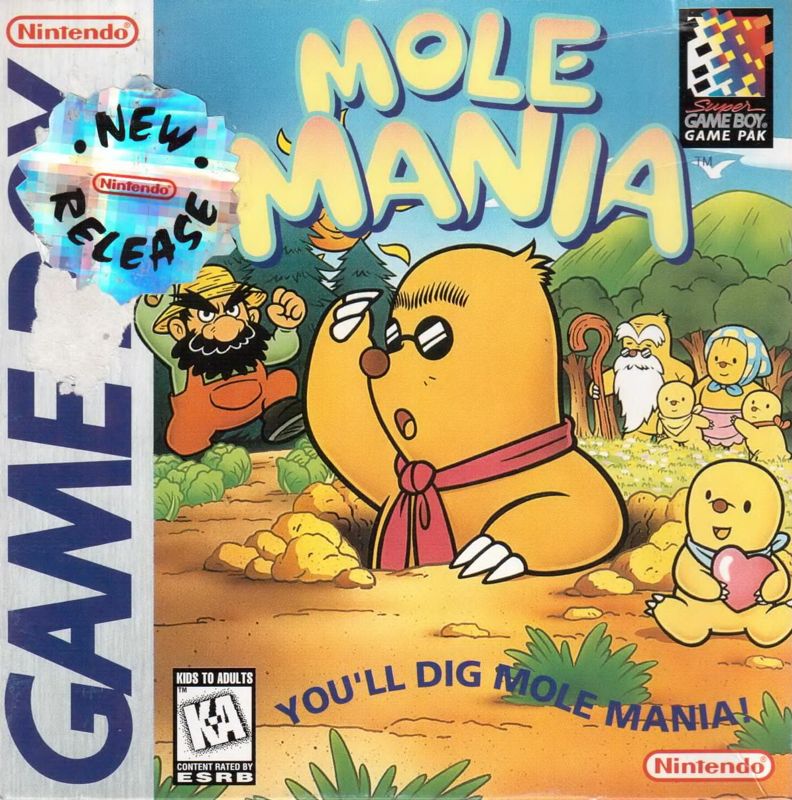 🎮
🎮Mole Mania
Pax Softnica
Designed by Miyamoto: a mole digs tunnels for puzzles. A hidden gem.
 🎮
🎮Wario Land II
Nintendo R&D1
Wario is immortal: every hit transforms him. Multiple endings and secret paths.
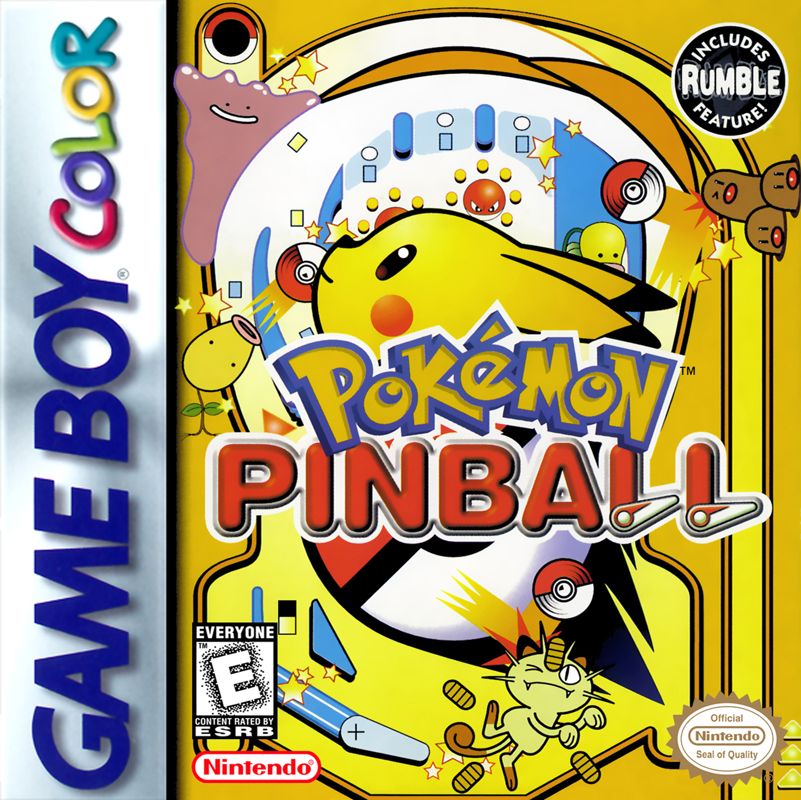 🎮
🎮Pokémon Pinball
Jupiter
Pokémon pinball with vibration motor built into the cartridge.